Why Toronto Homeowners Are Choosing LVP Over Hardwood
If you’re renovating a home in the GTA, flooring is one of the first decisions you’ll face — and one of the most consequential. It affects how your home looks, how it handles daily life, and what it’s worth when you sell.
Over the past several years, luxury vinyl plank (LVP) has become the dominant flooring choice for main-floor renovations across Toronto, Markham, Stouffville, and the surrounding suburbs. The reason is straightforward: LVP delivers a hardwood appearance at a fraction of the cost, while handling the realities of Canadian homes — salt-tracked boots, pet claws, kids, and humidity swings — far better than natural wood.
But LVP isn’t perfect for every situation. In this guide, we’ll break down exactly where it works, where it doesn’t, and how to make a smart choice for your specific home.
What Is Luxury Vinyl Plank, Exactly?
LVP is an engineered flooring product made of multiple compressed layers: a rigid or flexible core (often stone-polymer composite, or SPC), a high-resolution photographic layer that mimics wood grain, and a clear wear layer on top that resists scratches and stains.
The key distinction from older vinyl flooring is the rigid SPC core. This makes modern LVP click-lock, dimensionally stable, and fully waterproof — not just water-resistant. That’s a meaningful difference for kitchens, entryways, and basements.
The Case for LVP: Where It Genuinely Excels
1. Waterproof Performance
Unlike hardwood, which can warp, cup, or develop mould when exposed to moisture, SPC-core LVP is fully waterproof through the plank. This makes it an obvious choice for kitchens, laundry rooms, mudrooms, and basement living spaces — areas where Toronto’s freeze-thaw cycle and tracked-in snow create constant moisture exposure.
2. Scratch and Dent Resistance
LVP with a wear layer of 20 mil or higher handles pet claws, dropped cookware, and high foot traffic without the denting that plagues softer hardwoods like pine or even red oak. For families with dogs or young children, this is often the deciding factor.
3. Cost Efficiency
Installed costs for quality LVP in the GTA typically range from $6 to $12 per square foot, compared to $12 to $25+ for engineered hardwood. For a 1,000-square-foot main floor, that’s a potential savings of $6,000 to $13,000 — budget that can be redirected to kitchens or bathrooms where ROI is higher.
[Informed estimate: pricing ranges based on GTA market conditions and contractor quotes, not a formal survey.]
4. Seamless Open-Concept Flow
Because LVP is waterproof, you can run the same flooring continuously from your kitchen through the dining area and living room without transition strips. This creates the seamless, open-concept look that buyers expect in modern GTA homes.
The Case Against LVP: Where It Falls Short
It Won’t Add Premium Resale Value
LVP is a practical choice, not a luxury one. If you’re renovating a home valued above $1.5M in neighborhoods like Lawrence Park, Rosedale, or Forest Hill, buyers at that price point expect real hardwood. LVP in a premium home can actually signal “budget renovation” to discerning buyers.
Quality Varies Enormously
The LVP market ranges from thin, flexible vinyl that feels like plastic underfoot to thick, rigid-core planks that genuinely mimic hardwood. Cheap LVP (under $4/sq ft material cost) often has a thin wear layer, poor click-lock tolerances, and a hollow sound when walked on. Skimping here is a false economy.
Environmental Considerations
LVP is a petroleum-based product and is not easily recyclable. If sustainability is a priority for your renovation, engineered hardwood with FSC-certified wood is a more environmentally responsible choice.
How to Choose the Right LVP for Your Toronto Home
Wear layer: Look for 20 mil minimum. Commercial-grade (28 mil) is ideal for high-traffic areas.
Core: SPC (stone-polymer composite) over WPC (wood-polymer composite) for rigidity and better performance over uneven subfloors.
Thickness: 5.5 mm or thicker. Thinner planks feel hollow and telegraphing subfloor imperfections.
Plank width: Wide planks (7”+) deliver a more modern, hardwood-like appearance.
Underlayment: Many SPC planks come with attached underlayment. If not, add a 1.5 mm underlayment for sound dampening — especially important in condos or above basements.
A Recent Carlton Renovations Project
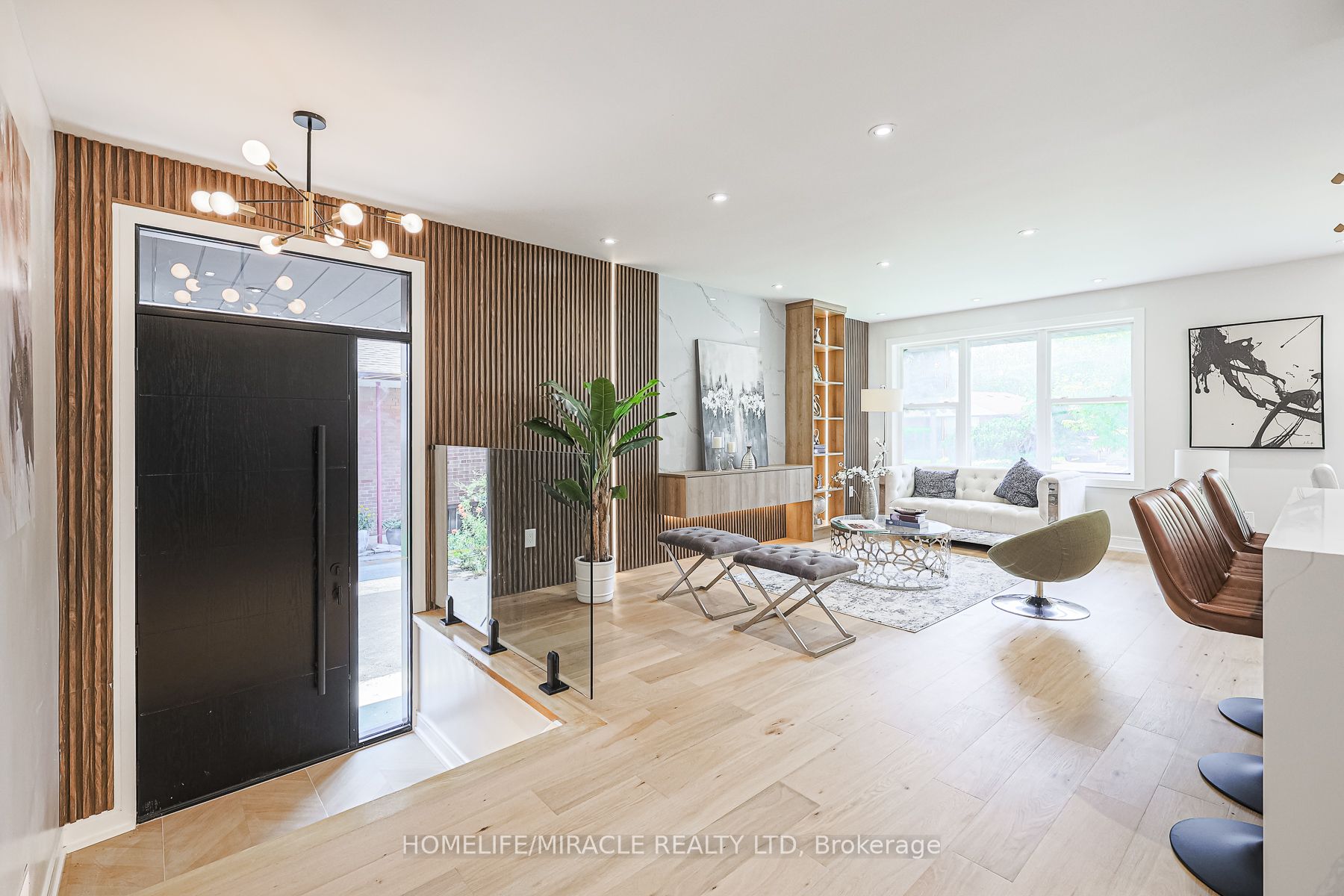
We recently completed a main-floor renovation in Stouffville where the homeowners wanted a unified look from the front entry through to the kitchen and family room — roughly 1,600 square feet of continuous flooring.
We selected a wide-plank SPC-core LVP in a warm, wire-brushed oak pattern. The material was waterproof, scratch-resistant, and installed with no transition strips across all three zones. The result was a clean, modern aesthetic that felt cohesive and high-end, even though the flooring cost was roughly 40% less than the engineered hardwood alternative.
The homeowners have two large dogs and a toddler. Six months later, the floor shows zero wear.
Bottom Line
LVP is the right choice for most GTA homes in the $500K–$1.8M range, especially for main floors, basements, and any room with moisture exposure. It’s not the right choice for ultra-premium homes where real hardwood is expected, or for homeowners who prioritize natural materials and sustainability.
If you’re planning a flooring renovation in Toronto or the surrounding GTA, we’re happy to walk you through your options and help you make the decision that fits your home, your lifestyle, and your budget.
Contact Carlton Renovations for a free in-home flooring consultation → Contract Us
Check Out Our Previous Flooring Projects → Projects
Modern Kitchen Trends: Beyond the White Cabinet
3 Bathroom Upgrades That Actually Increase Your Home Value
Open-Concept Renovation: What It Actually Takes to Remove a Wall
How Much Does a Basement Renovation Cost in Toronto?
How to Choose a Renovation Contractor in Toronto
Luxury Vinyl Plank Flooring in Toronto – Is it Worth it for Your Home?